Real Results.
Real Businesses.

See how service-based businesses and mission-driven organizations have transformed their operations — and their outcomes — with MAXXAM AI.

Case Study AI Messaging & Voice  ·  Specialty Medical Practice

2 min

avg. lead response time

100%

of inbound leads contacted

0 staff

added to achieve it
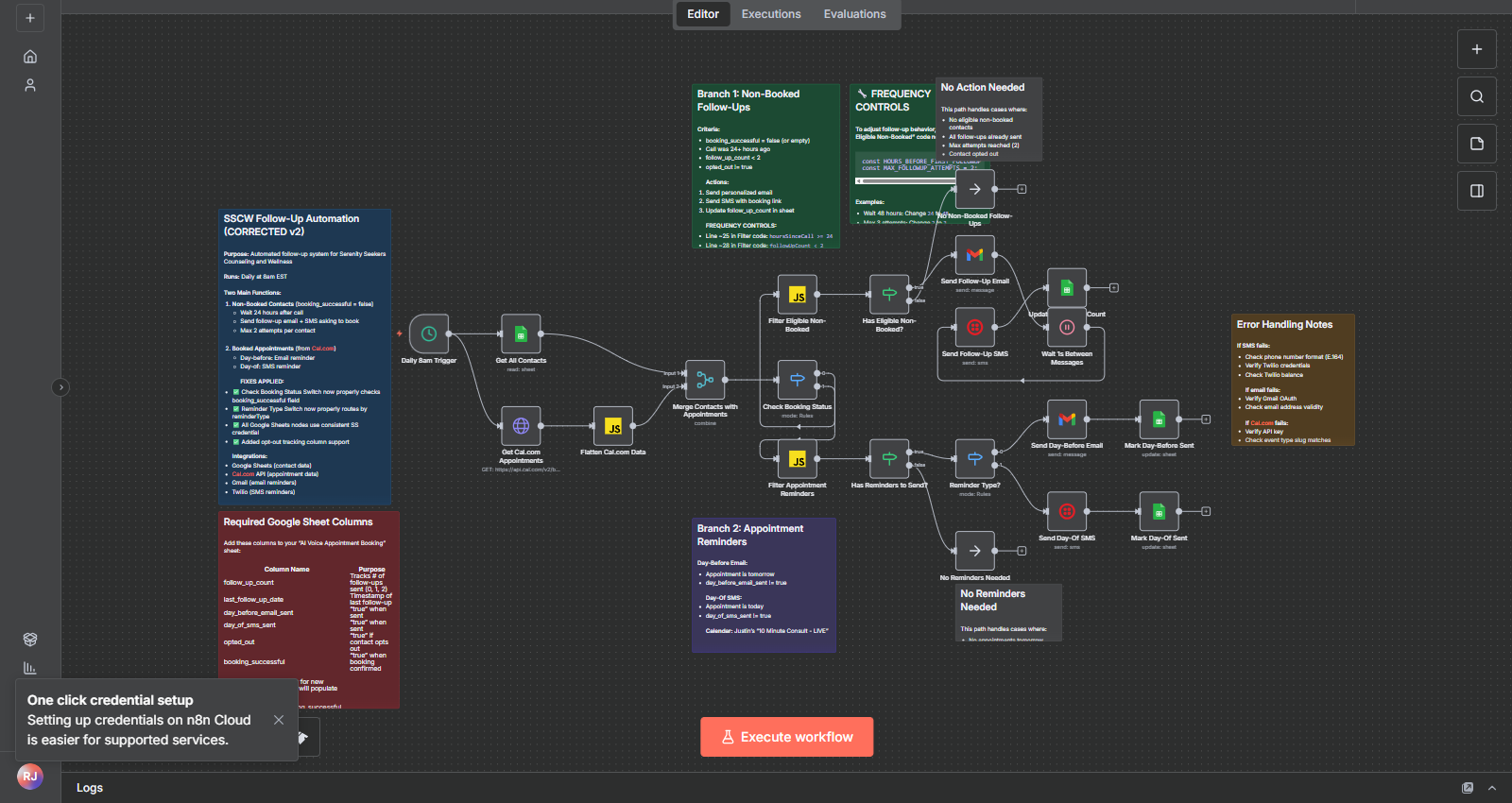
Live n8n workflow — Healthcare Follow-Up Automation Want a system like this? Book a call →

A Specialty Medical Practice Stopped Losing Leads — Without Adding Staff

The Situation

A specialty medical practice was generating inbound leads through paid ads but converting a fraction of them. The problem wasn't the ads — it was response time. When a lead came in, it sat until someone on staff had a moment to follow up. By then, the prospective patient had already moved on. The practice knew it was leaving appointments on the table but had no bandwidth to fix it manually.

The System

MAXXAM AI built an AI voice agent connected directly to the practice's lead intake. The moment a new lead came in from any source, the system triggered an outbound call within two minutes — before the prospect had time to contact a competitor.

The agent qualified the lead, answered common questions, and routed confirmed appointments directly into the scheduling system. Staff received a summary notification only when an appointment was booked. No manual follow-up queue. No leads aging in a spreadsheet.

The Result

Lead response time dropped from hours to two minutes across every inbound channel. Every lead received contact — something that was physically impossible before without adding headcount. The practice began recovering appointments it had been losing for months. Front desk staff shifted their time from outbound calling to patient experience.

The Takeaway

Speed is the conversion variable most practices overlook. The quality of a lead doesn't matter if the response comes too late. An AI voice agent doesn't eliminate the human relationship — it ensures the human relationship gets a chance to start.

Published April 2026  ·  MAXXAM AI

Get a Similar System
Case Study Intake & Scheduling Automation  ·  Wellness Practice

40%

reduction in no-shows

3 tools

replaced by one workflow

12 hrs

weekly admin saved

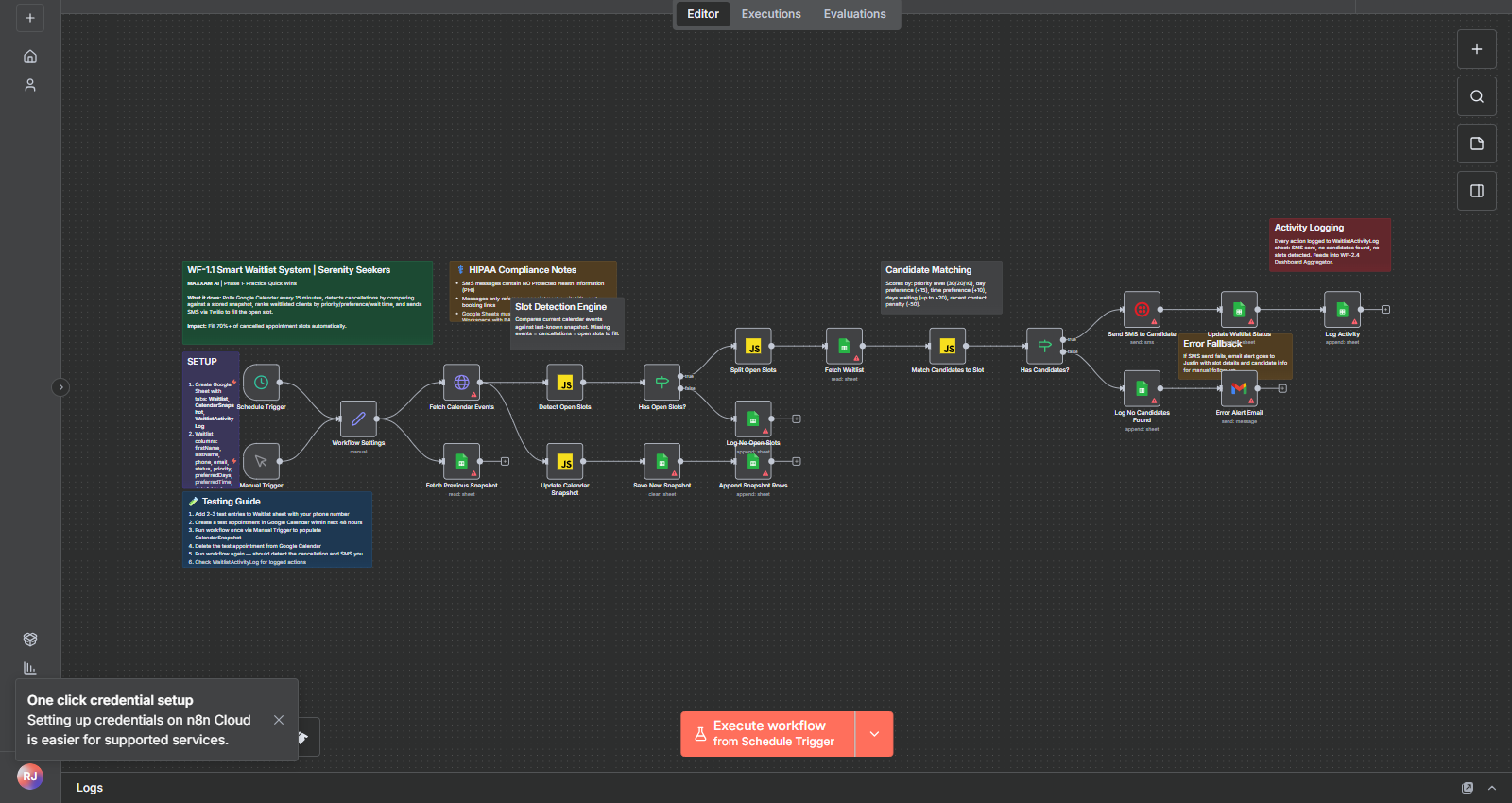
Live n8n workflow — Smart Waitlist System Want a system like this? Book a call →

A Wellness Practice Cut No-Shows by 40% and Reclaimed 12 Hours of Weekly Admin

The Situation

A wellness practice with a full client roster had a no-show problem that was costing them billable hours every week. Staff were manually sending appointment reminders from three different systems — a scheduling tool, an email platform, and a separate SMS service — none of which talked to each other. Reminders went out inconsistently. Clients slipped through. And the admin time required to manage it all was eating into capacity the practice needed for actual care delivery.

The System

MAXXAM AI built a single automated intake and reminder workflow that connected the practice's scheduling system to both email and SMS. When an appointment was booked, the workflow triggered a confirmation immediately. A structured reminder sequence followed — email 72 hours out, SMS 24 hours out, final SMS two hours before — with conditional logic that paused the sequence if the client confirmed or rescheduled.

No-show flags automatically notified the front desk and triggered a re-engagement message. Cancellations opened the slot for a waitlist notification. The three disconnected tools were replaced by one connected flow.

The Result

No-shows dropped 40% within the first six weeks. Twelve hours of weekly admin that had been spent manually managing reminders across three platforms was eliminated. The front desk team refocused on intake quality and client experience. The waitlist system began filling cancelled slots within hours instead of days.

The Takeaway

Most no-show problems aren't a client behavior problem — they're a communication timing problem. A structured, automated reminder sequence with conditional logic costs nothing to run after it's built and outperforms any manual reminder process by design. The practice didn't need more staff. It needed a system that didn't forget.

Published April 2026  ·  MAXXAM AI

Get a Similar System
Case Study Operations & Expansion Strategy  ·  Food & Beverage

9

business systems mapped & automated

2

n8n workflows deployed

100%

operations tracked via single dashboard

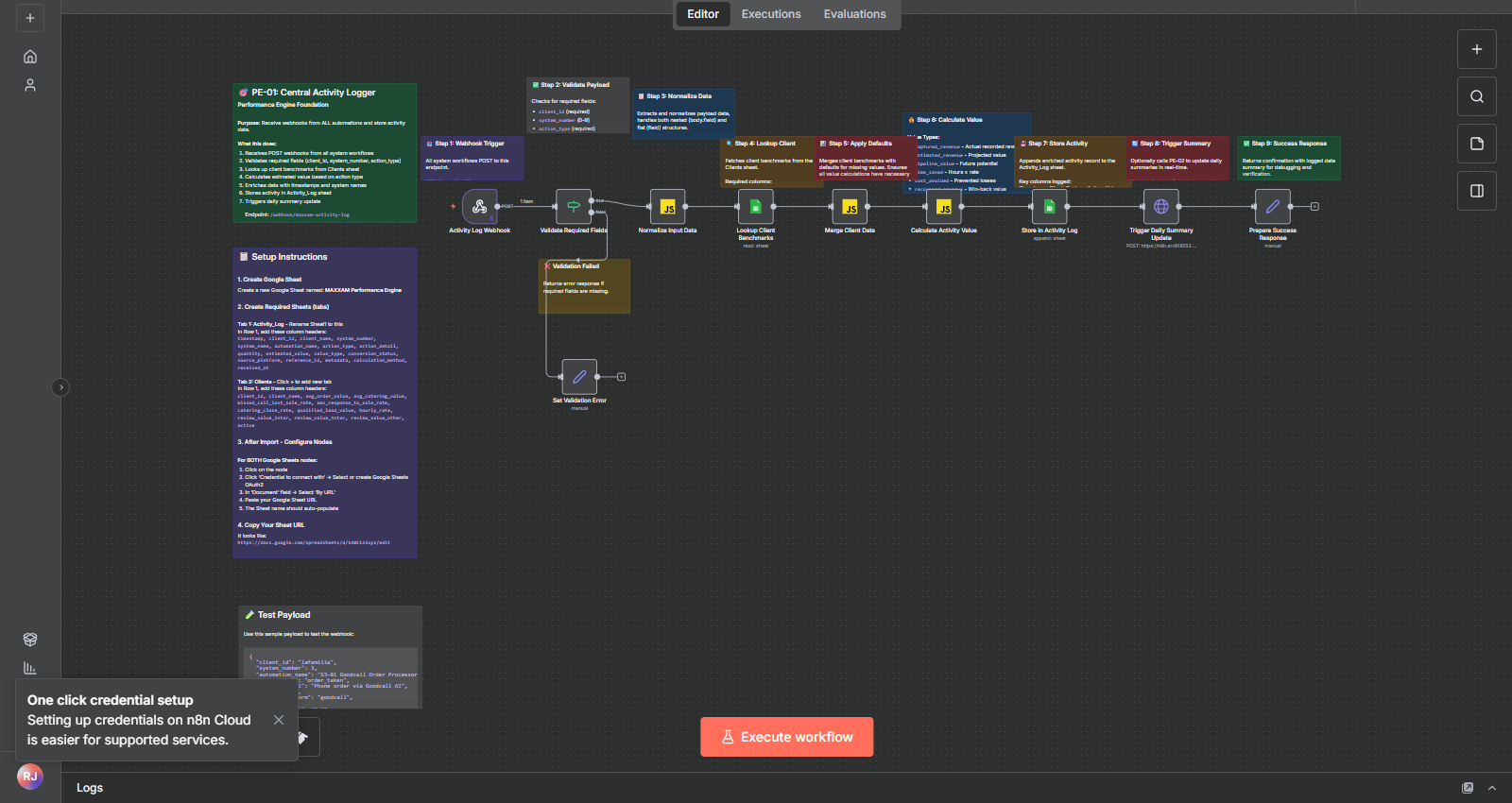
Live n8n workflow — Central Activity Logger Want a system like this? Book a call →

A Regional Food & Beverage Brand Built Its Multi-Location Operating Blueprint on Automation

The Situation

A food and beverage brand with a proven concept was preparing to expand from a single location to multiple sites. The owner had deep product expertise but no documented systems — operations, fulfillment, and marketing all lived in their head. Without a scalable operating model, every new location would just inherit the same chaos at a higher cost.

The System

MAXXAM AI applied the 9-Systems framework to map every core business function — from lead generation to fulfillment to financial reporting. Each system was documented, then connected to automation where it could reduce manual input. A central activity logger built in n8n tracked all revenue and operational events in real time. A performance engine surfaced daily dashboards so the owner could manage by data instead of instinct.

The result was a complete operational blueprint — not a slide deck, but a functional system the owner could hand to a manager at any new location and expect consistent execution.

The Result

All nine business systems were documented and connected to automation. The owner shifted from running every function directly to overseeing a structured operation. With tracking in place, revenue patterns, peak times, and underperforming channels became visible for the first time — giving the expansion plan a data foundation it previously lacked.

The Takeaway

Most expansion failures happen because the business scaled before the systems did. A second location doesn't fix the first location's problems — it multiplies them. The 9-Systems framework forces the work most operators skip: documenting and automating the operation so it runs without the founder's constant presence.

Published May 2026  ·  MAXXAM AI

Get a Similar System
Case Study Brand Identity & Web Development  ·  Luxury Retail

30 days

zero to live brand & website

100%

brand system documented for future use

$0

ongoing retainer after handoff

A New Luxury Brand Went From No Digital Presence to a Complete Brand Identity and Live Website in 30 Days

The Situation

A luxury brand entering a competitive retail market had a clear product vision but no digital foundation. No website, no brand guidelines, no established visual identity. With a launch window approaching and no budget for an ongoing agency retainer, they needed a complete digital presence — built once, owned permanently.

The System

MAXXAM AI developed a complete brand DNA document — positioning, voice, visual identity, color system, and typography — before touching any design tool. That document became the foundation for every deliverable that followed. A custom website was built from it: SEO-optimized copy, conversion-focused structure, and luxury aesthetic that matched the product positioning.

The site was deployed on low-cost hosting with the owner holding full control. The brand DNA was handed off as a permanent reference — any future designer, copywriter, or ad agency could execute against it without reinventing the brand.

The Result

The brand went from zero digital presence to a live, SEO-ready website with complete brand documentation in under 30 days. The owner manages content updates independently with no agency dependency. The brand system is now reusable across any future marketing channel — social content, paid ads, email — without starting from scratch each time.

The Takeaway

A brand that lives in documentation — not just in a designer's head — is a business asset. It means future work compounds instead of restarting. The difference between a brand system and a one-off design project is that one of them scales.

Published May 2026  ·  MAXXAM AI

Get a Similar System
Case Study Operations & Strategy  ·  Community Development / Housing

12

automation flows mapped

5

CEO dashboards designed

3

operational segments structured

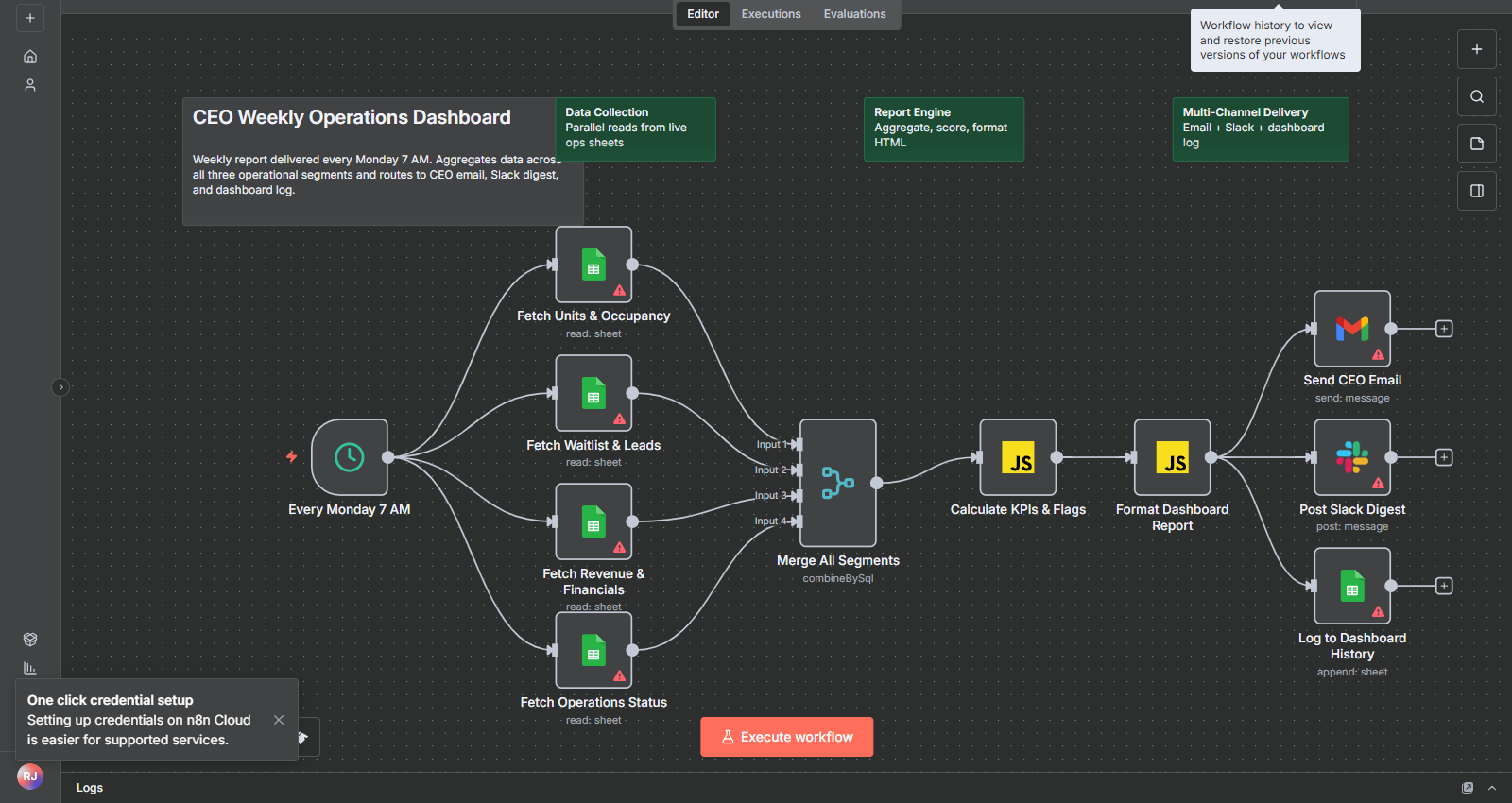
Live n8n workflow — CEO Weekly Operations Dashboard Want a system like this? Book a call →

A Community Housing Organization Turned Scattered Vision Into a Complete Business OS — Ready for Implementation

The Situation

A mission-driven housing organization had a compelling vision for an affordable community serving multiple resident segments — but no operational structure to match. Plans lived in email threads and founder conversations. Without documented systems, tracking, or reporting infrastructure, grant funding was out of reach and consistent service delivery was impossible at scale.

The System

MAXXAM AI built a complete Business OS across three resident segments: a service delivery framework, 12 automation flows mapped to reduce manual tracking and communication, and 5 CEO-level dashboards designed to give leadership real-time visibility into leads, units, revenue, and capacity. A grant funding strategy was developed alongside the operational architecture — positioning the organization as operationally credible, not just mission-driven.

The deliverables included a business OS proposal, a community marketing brochure, and a phased implementation roadmap — all built to be handed directly to contractors or implementation partners.

The Result

The organization moved from scattered founder notes to a structured, implementation-ready operating system. Leadership gained a clear picture of operations across all three segments. The grant strategy strengthened their funding position by demonstrating operational maturity — not just mission alignment. Implementation is scoped and scheduled for the following year.

The Takeaway

For mission-driven organizations, operational clarity is the mission. A community that can't measure its own performance can't prove it deserves funding. The Business OS isn't overhead — it's what makes the mission sustainable at scale, not just compelling on paper.

Published June 2026  ·  MAXXAM AI

Get a Similar System
Case Study Grant Pipeline Automation  ·  Nonprofit Health Education

6

dimensions scored for every funder opportunity

Minutes

to produce first-draft narrative sections, not days

100%

of grants tracked with deadlines and automated reminders

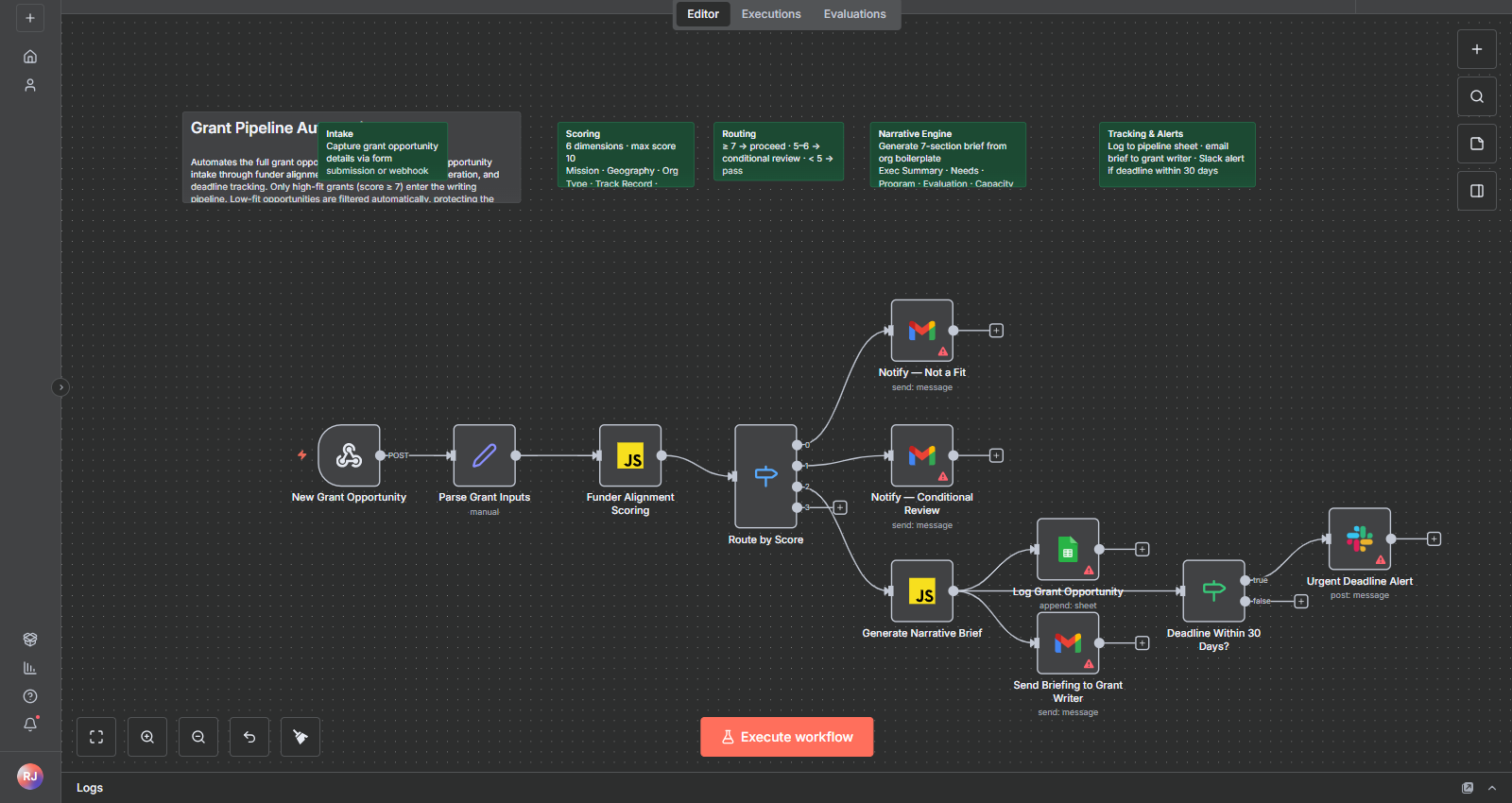
Live n8n workflow — Grant Pipeline Automation Want a system like this? Book a call →

A Nonprofit Community Health Organization Built a Grant Pipeline — From Opportunity Intake to First Draft, Automated

The Situation

A faith-rooted nonprofit health education organization was manually evaluating every grant opportunity from scratch — spending hours researching funders, writing cold, and losing track of deadlines across multiple active applications. Time spent on low-fit grants was time not spent on programs. There was no system to filter, score, or prioritize before a single word was written.

The System

MAXXAM AI built a Grant Pipeline Automation that triggers the moment a new opportunity is logged. Each funder is scored across six alignment dimensions — mission match, geographic eligibility, org type, track record, budget fit, and existing relationship — producing a 0–10 score and a proceed / conditional / pass recommendation. Low-fit grants are filtered out automatically with a notification. High-fit grants move into a narrative brief engine that generates structured first drafts for all seven required grant sections, logs the opportunity to a tracking sheet, emails the briefing to the grant writer, and fires a Slack alert when a deadline falls within 30 days.

The Result

Only viable grants enter the writing pipeline. First-draft narrative sections are ready in minutes. No deadline is missed. The grant writer's time is protected — they evaluate scored opportunities and refine drafts rather than starting from scratch on opportunities that were never going to win.

The Takeaway

Grant writers should be writing, not evaluating or tracking. Automation handles the triage and scaffolding so their expertise goes where it matters — shaping the narrative, not managing the inbox. For nonprofits operating lean, that is a meaningful multiplier.

Published June 2026  ·  MAXXAM AI

Get a Similar System

More case studies coming.

Subscribe to get new client results before they're posted publicly.

Get Notified